
2024 Harvest Season
Due to high demand and a need to support our small nonprofit organization, we are prioritizing sites that are able to make a donation of $100 or more (we ask that you please consider the size & number of trees when making this donation). Tree stewards who are able to make a donation will be guaranteed a place on our harvest schedule. Financial assistance is available for those unable to make a monetary contribution (please state this in your harvest request form), and all other harvest requests will be added on an additional first-come, first-served basis depending on CFR’s availability. We appreciate your support and can't wait to harvest with you!
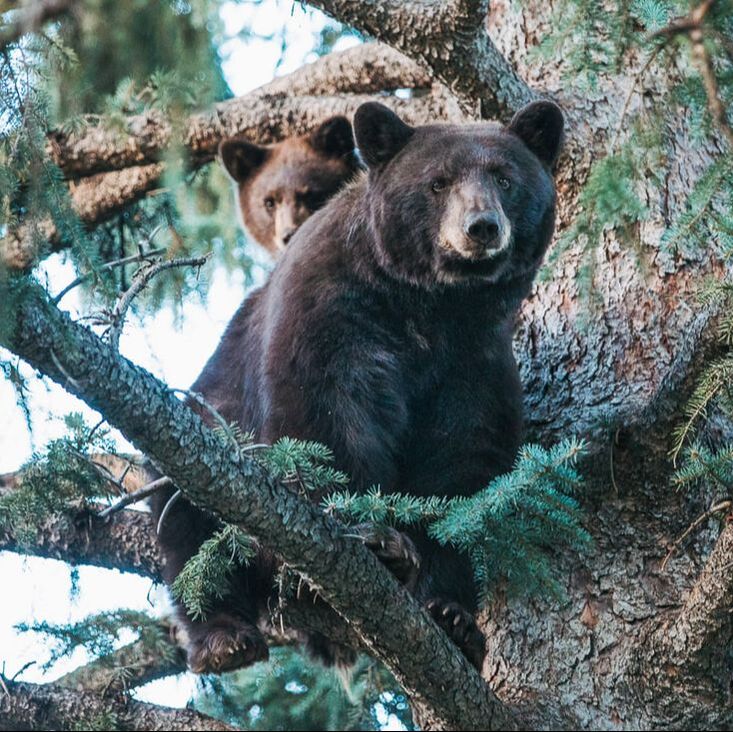
Information for Tree StewardsCommunity Fruit Rescue is a non-profit organization that harvests excess fruit and donates it to local agencies who then provide it to food insecure individuals around Boulder County. We train and organize local volunteers so these passionate individuals can help our team harvest & distribute Boulder's surplus fruit, ensuring it won't go to waste. Our community harvests also help to discourage wildlife like black bears from coming into Boulder’s urban areas.
We harvest:
Some examples of fruit we harvest:
We do not harvest:
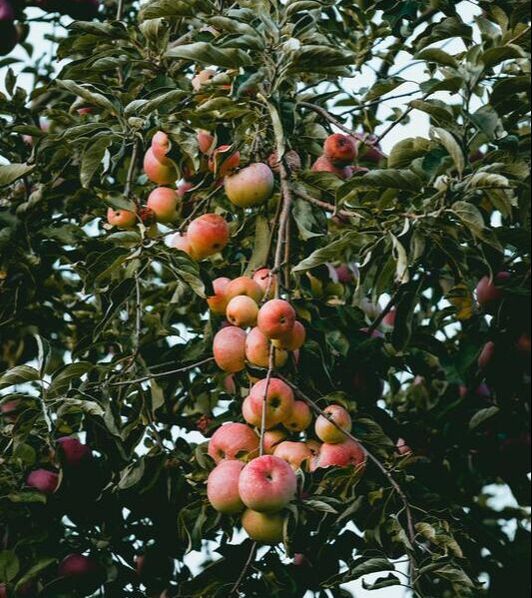
What happens to the fruit? Tree stewards* register their fruit trees to be harvested and can keep up to 1/4 of the bounty. The volunteer pickers who sign up to harvest those trees can take a combined 1/4 of the fruit home with them, and the remaining 1/2 is donated to food insecure individuals and families throughout Boulder County. *At Community Fruit Rescue, we use the term "tree steward" to be more inclusive of the diverse individuals who care for fruit trees, including renters and caretakers, fostering a sense of shared responsibility beyond traditional ownership. |
|
How it works
For now, our resources limit us to harvesting trees that are in/near Boulder and Longmont's city limits. We are also thrilled to launch our Human-Bear Conflict Reduction Initiative in Lyons in 2024 - register here if you would like to request a harvest in Lyons!
Follow these steps if you are a RETURNING tree steward:
Follow these steps if you are a NEW tree steward:
*Community Fruit Rescue’s harvest services come in high demand; to ensure that we can add your harvest to our schedule, we are requesting a donation of $100 or more (depending on size & number of trees) to help cover our costs as a small nonprofit organization. Financial assistance is available for those unable to make a monetary contribution, and all other harvest requests will be added on an additional first-come, first-served basis depending on CFR’s availability.
Follow these steps if you are a RETURNING tree steward:
- Make a tax-deductible donation to guarantee that your harvest will be added to our calendar*
- Fill out our Harvest Request form
- Our Harvest Coordinator will follow up in a separate email to confirm your harvest date & details, or add you to CFR's waitlist
Follow these steps if you are a NEW tree steward:
- Make a tax-deductible donation to guarantee that your harvest will be added to our calendar
- Fill out our Tree Registration & Harvest Request form for new tree stewards
- Our Harvest Coordinator will follow up in a separate email to confirm your harvest date & details, or add you to CFR's waitlist
*Community Fruit Rescue’s harvest services come in high demand; to ensure that we can add your harvest to our schedule, we are requesting a donation of $100 or more (depending on size & number of trees) to help cover our costs as a small nonprofit organization. Financial assistance is available for those unable to make a monetary contribution, and all other harvest requests will be added on an additional first-come, first-served basis depending on CFR’s availability.
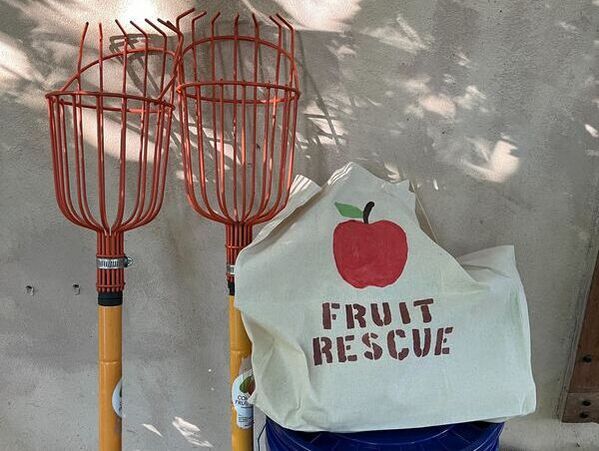
Pick your own fruit with CFR's Do It Yourself (DIY) Harvest Kits!
|
CFR’s DIY Harvest Kit Rental Program is now available for Boulder-area tree stewards and fruit enthusiasts who are eager to self-harvest fruit! Our kits are the perfect solution for harvesting the delicious fruits growing in your yard or nearby, and they're designed to support a variety of individuals and needs:
|
How to tell when your fruit is ready to be picked
|
Please follow these steps to determine when your fruit will be ripe or ready to be picked. Please note that Community Fruit Rescue will not harvest unripe fruit and reserves the right to cancel harvests if the fruit is deemed premature. Need help? Contact [email protected].
|

|
|
Coexisting with BearsThanks to a grant from Colorado Parks & Wildlife, we are launching a new wildlife coexistence program to help Boulder residents reduce conflicts with urban black bears.
If you are experiencing bear activity on your property, please contact [email protected] immediately so we can get that fruit removed from your tree! If the bear is currently on your property and requires assistance, please the City of Boulder's dispatch line: 303-441-3333 Option #8. Wildlife Officers can provide support that will help protect the bears and local community, such as hazing, removing attractants, calling Bearsitter volunteers to keep an eye on the bear, and more. |
Food donors may be eligible for tax deductions or tax credits and will receive documentation of crop types and amounts to submit with tax returns.
Protection
We properly train, supervise and hold liability coverage for all volunteers who harvest with us.
Federal Bill Emerson Good Samaritan Food Donation Act - In 1996, President Clinton signed this act to encourage donation of food and grocery products to non-profit organizations for distribution to individuals in need. This law:
For more information: Feeding America.
Federal Bill Emerson Good Samaritan Food Donation Act - In 1996, President Clinton signed this act to encourage donation of food and grocery products to non-profit organizations for distribution to individuals in need. This law:
- Protects you from liability when you donate to a non-profit organization;
- Protects you from civil and criminal liability should the product donated in good faith later cause harm to the recipient;
- Standardizes donor liability exposure. You or your legal counsel do not need to investigate liability laws in 50 states; and
- Sets a floor of "gross negligence" or intentional misconduct for persons who donate grocery products. According to the new law, gross negligence is defined as "voluntary and conscious conduct by a person with knowledge (at the time of conduct) that the conduct is likely to be harmful to the health or well-being of another person."
For more information: Feeding America.