
Harvest Program
Rescuing fruit, feeding community.
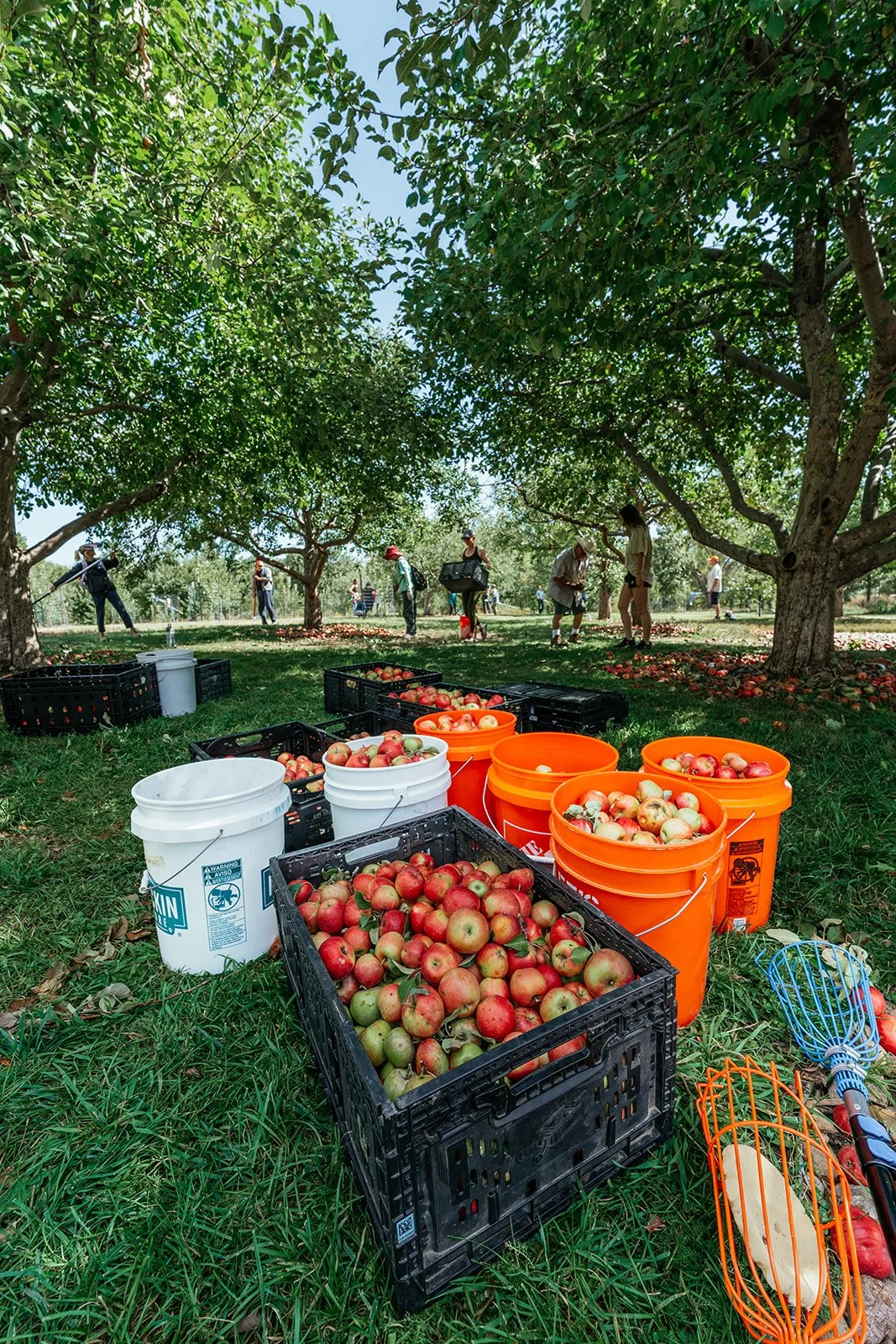
Community Fruit Rescue’s Harvest Program brings volunteers together to harvest surplus fruit from residential and community trees and share it throughout our community. Each year, thousands of pounds of fruit would otherwise go to waste — falling from trees, attracting wildlife like black bears, and creating challenges for tree stewards.
Through community-powered harvests, we help strengthen local food security by sharing fresh fruit with neighbors experiencing food insecurity, while also directing surplus fruit to animal rescues and local farms when possible. At the same time, harvesting excess fruit helps reduce wildlife attractants in urban areas and supports healthier, better cared-for trees.
By rescuing fruit together, we turn surplus into shared nourishment for people, animals, and our wider community.
Learn more
-
CFR harvests surplus urban fruit primarily on private and residential properties. “Tree stewards” (typically homeowners, renters, and property managers) request a harvest when their trees are producing more fruit than they can use. CFR organizes volunteer harvest crews who pick the fruit, leaving a portion for the tree steward while sharing the rest with local food pantries, community organizations, CFR’s volunteers, and at CFR community events or workshops. Harvests take place throughout the growing season, typically during late summer throughout the fall, until the first hard freeze. If there’s fruit, we’ll harvest it!
-
While CFR occasionally accommodates sites outside our core service area, in 2026 we are primarily harvesting residential or municipal trees located in and around the City of Boulder, Town of Erie, City of Lafayette, and City of Longmont. We always encourage tree stewards to request a harvest or reach out as we may be able to accommodate some of these harvests depending on availability. Regardless, learning where fruit is available helps us understand where services are most needed and how we can expand in the future.
-
CFR primarily harvests apples, pears, plums, peaches, apricots, chokecherries, grapes, and cherries. Apples make up the majority of our harvests, reflecting Boulder County’s orchard history.
We focus on harvesting fruits that are widely desired by food pantries, volunteers, and community members and that can be easily shared and enjoyed fresh or preserved. While crabapples are valuable to wildlife and ecosystems, most pantries and recipients are unable to use them since they typically require more processing before eating. For this reason, CFR does not harvest crabapples.
If you’re unsure what kind of tree you have, we still encourage you to reach out or submit a harvest request — our team can often help identify trees and determine whether a harvest is possible.
-
Harvested fruit is sorted on site into the following categories:
FRUIT FOR PEOPLE
Our primary goal is to provide fresh and healthy local fruit to food insecure individuals and families in the community; this is primarily done in partnership with our friends at
And many other mission-based organizations or schools upon request.
Additionally, CFR’s volunteer pickers and tree stewards are welcome to take a share of the bounty after each harvest. CFR also reserves a small portion of the fruit to support our canning workshops, community events, and nonprofit fundraising efforts.
FRUIT FOR ANIMALS
The fruit that is not suitable for human consumption but is still edible for animals is distributed to our nonprofit partners at the Wild Animal Sanctuary, Luvin' Arms Sanctuary, Good Life Refuge, and local farms upon request and availability.
OTHER INEDIBLE FRUIT
Fallen or rotting fruit is composted by placing it into the tree stewards’ curbside compost carts (if available), which is then taken to the A1 Organics facility for composting.
Our goal is to ensure as much fruit as possible feeds people and animals in need, rather than going to waste and attracting bears into urban areas.
Background
GET INVOLVED
Volunteer
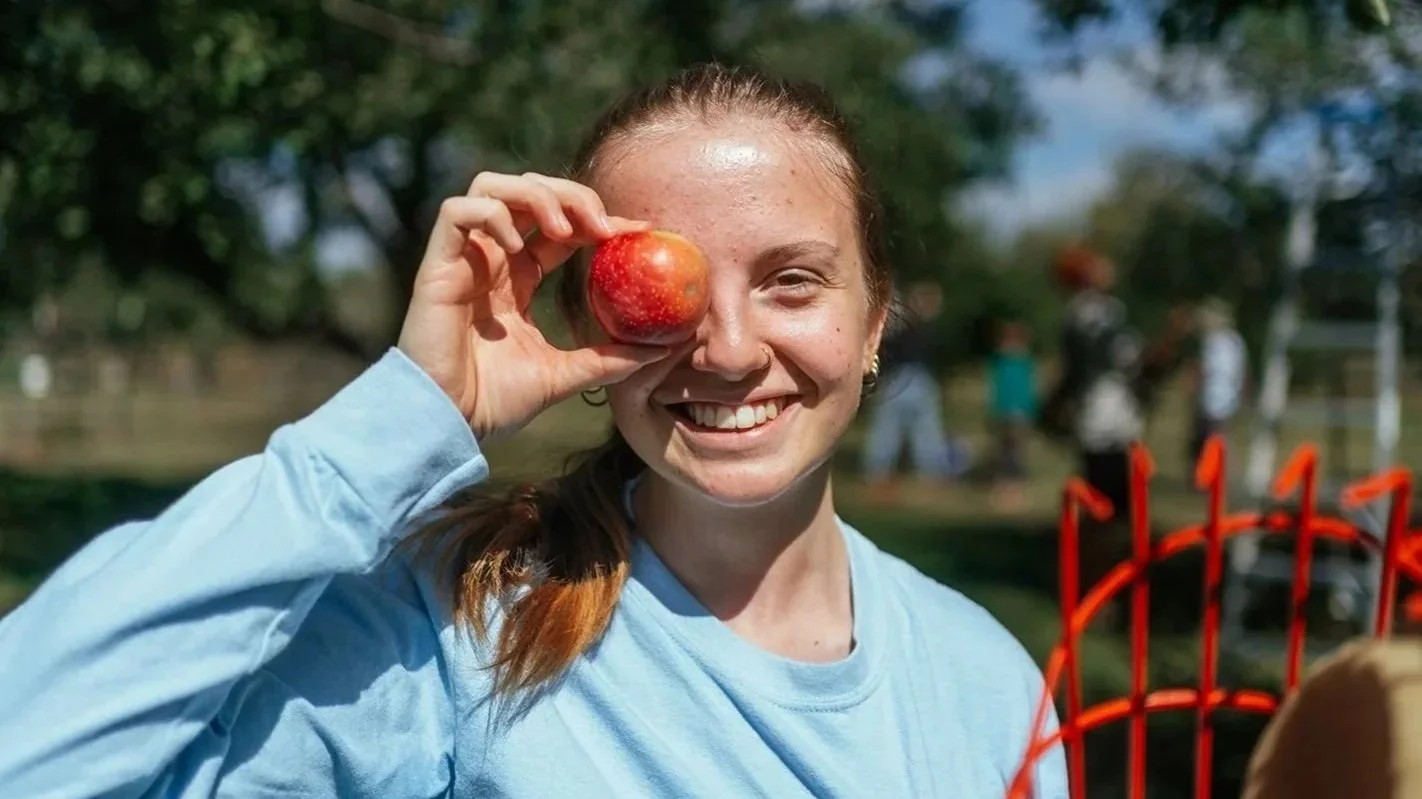
Harvest volunteers are the heart of this program. No experience is necessary — just a willingness to help and enjoy working outdoors with neighbors.
Volunteers receive a short orientation at the harvest site, help to pick and sort the fruit for ~2 hours and get to take a portion of the delicious bounty home with them! Harvests are family-friendly, open to all ages and abilities, and are a great way to connect with your community.
Request a harvest
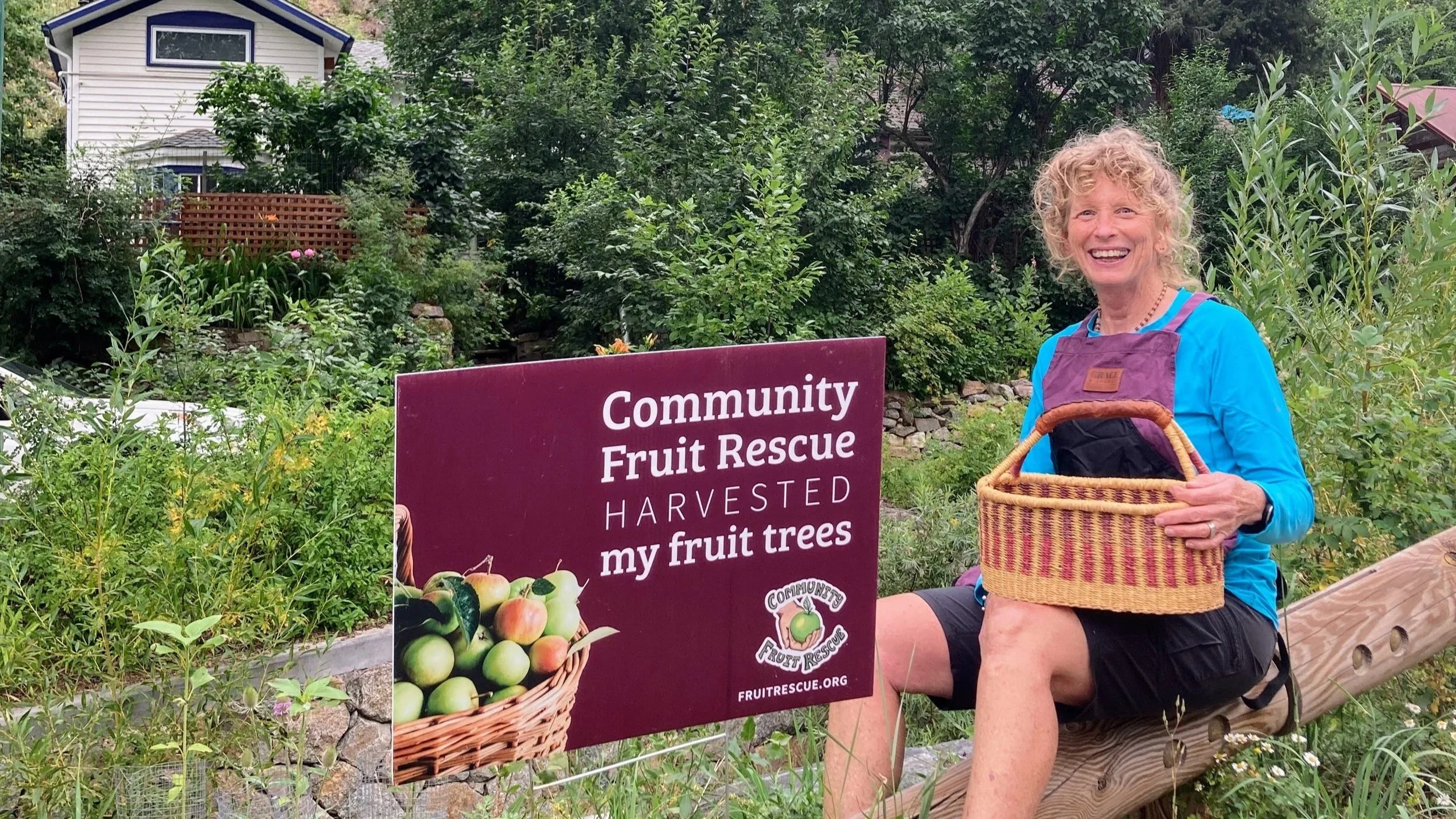
If you have fruit trees producing more than you can use, or are unable to harvest yourself, we can help! Our volunteers harvest and share excess fruit while helping reduce fallen fruit that can attract sensitive wildlife like black bears to your property.
Learn more about the harvest scheduling process so you can request your harvest today.
Harvesting chokecherries for Tribal Communities
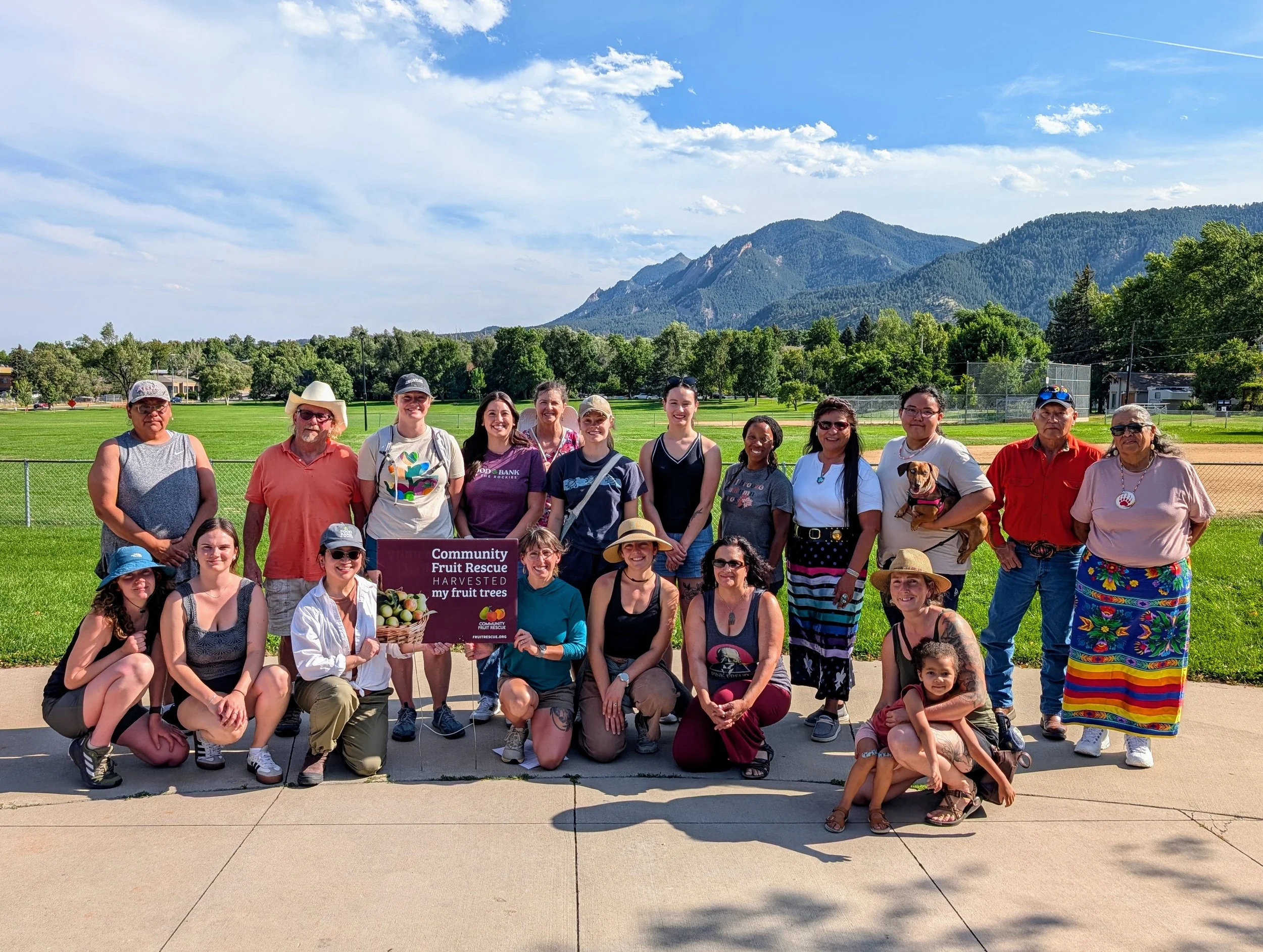
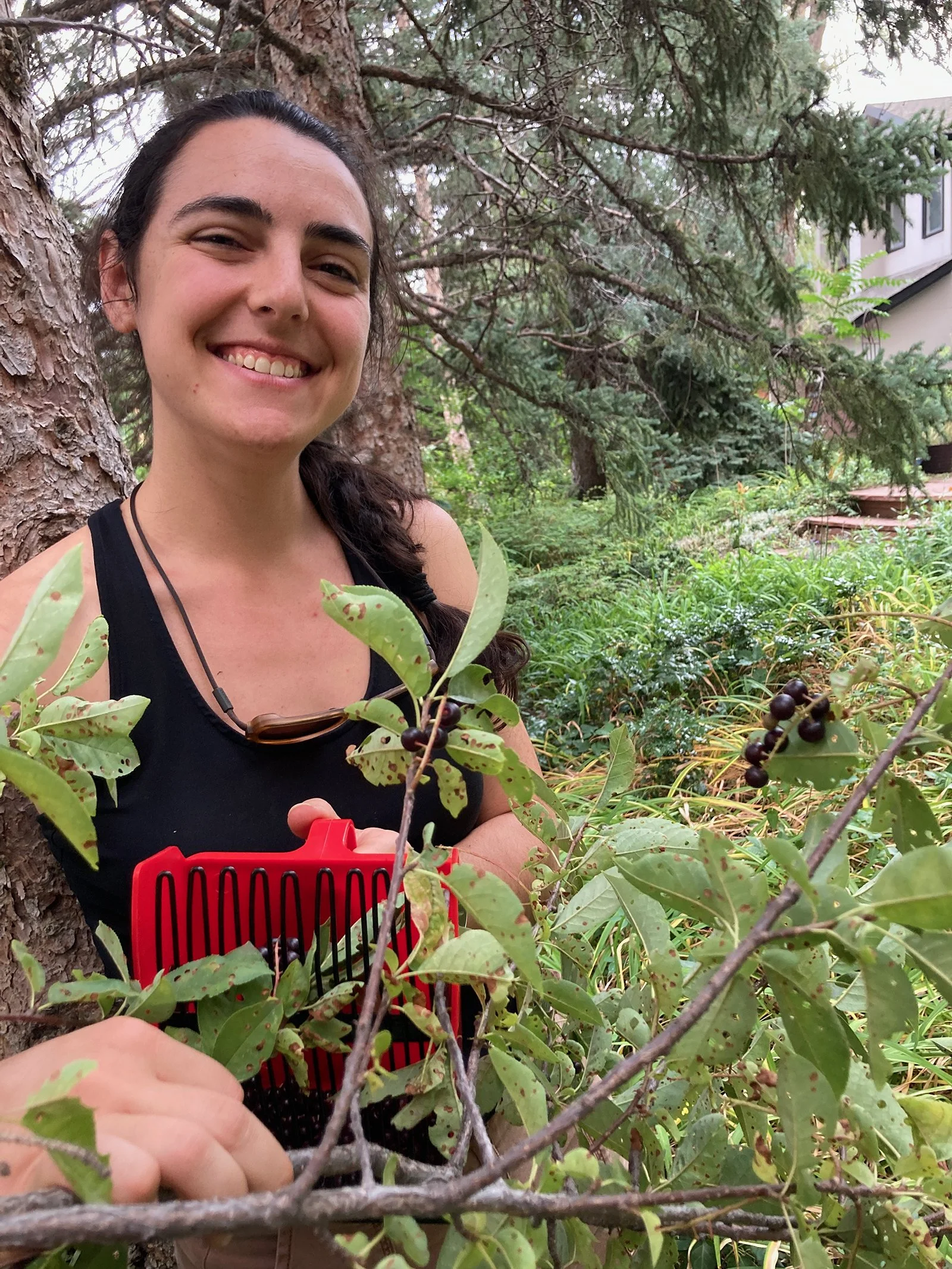
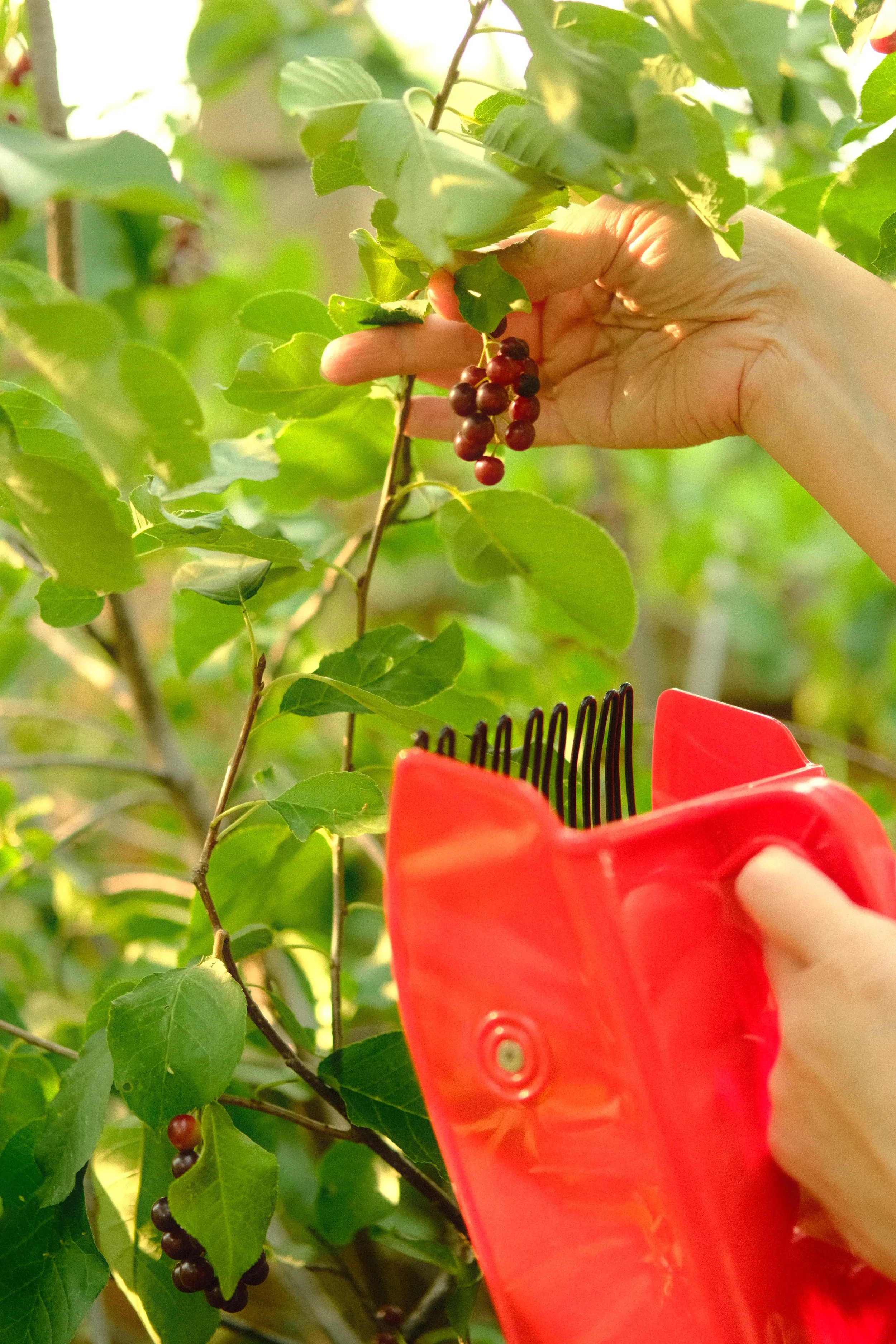
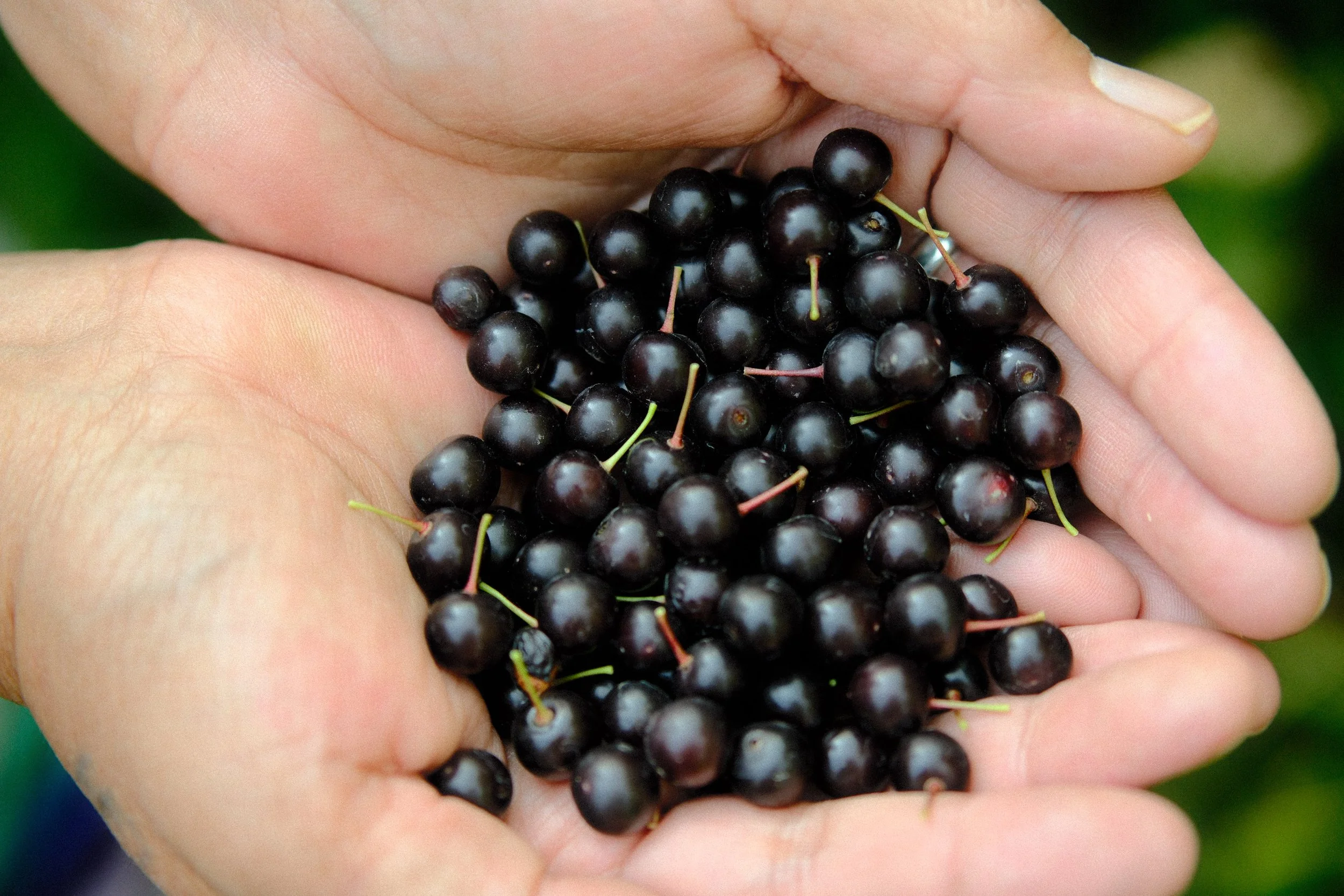
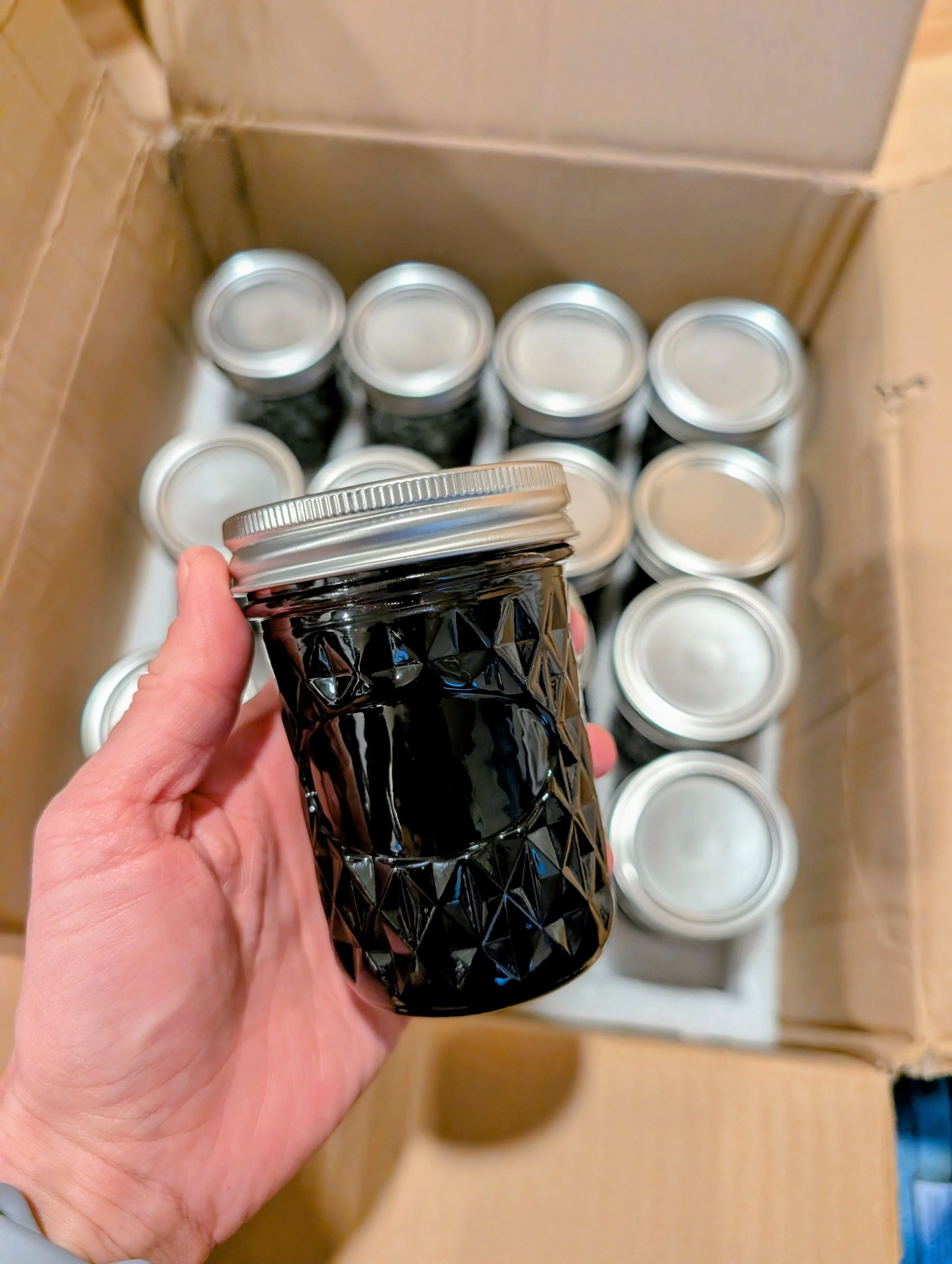
Community Fruit Rescue is proud to kick off our harvest season with this collaborative initiative to harvest chokecherries and distribute them to Tribal communities living on the Wind River Reservation in Wyoming.
Chokecherries are a traditional food of the Northern Arapaho, whose ancestral homelands include Boulder and much of Colorado’s Front Range. Today, the Wind River Reservation does not provide an adequate supply of these important berries. In collaboration with Northern Arapaho Tribal leaders, Wildlands Restoration Volunteers, the City of Longmont, and the Food Bank of Wyoming, CFR is working to respectfully and efficiently harvest and deliver chokecherries to Northern Arapaho families and Elders.
This initiative is led by our Tribal partners, and CFR respectfully supports their vision by coordinating harvest logistics, mobilizing volunteers, and helping steward fruit growing throughout Boulder County. By harvesting chokecherries in mid to late July (while also intentionally leaving roughly 20-30% of the fruit as forage for wildlife), when they ripen throughout the region, we are helping return fruit from these ancestral lands back to the communities connected to them.
Following the harvests, volunteers can also assist with fruit cleaning and preparation to ensure the chokecherries are ready for distribution. In the fall, we will also co-host a chokecherry jelly-making workshop aligned with Native American Heritage Month. The finished products are incorporated into Elder food boxes and shared with Tribal community members.
Do you have chokecherries on your property?
CFR is seeking Tree Stewards in the Boulder County, CO area with abundant chokecherry trees or shrubs who are willing to host a harvest each July.
If you have one or more fruiting chokecherry plants with a significant amount of fruit, we’d love to hear from you! Whether you’d like to host CFR volunteers for a harvest or harvest the fruit yourself and donate it, your support will directly benefit this community-led effort. Please tell us more below, and make sure you properly identify the plants before filling out this form. Thank you!
Be a Harvest Leader
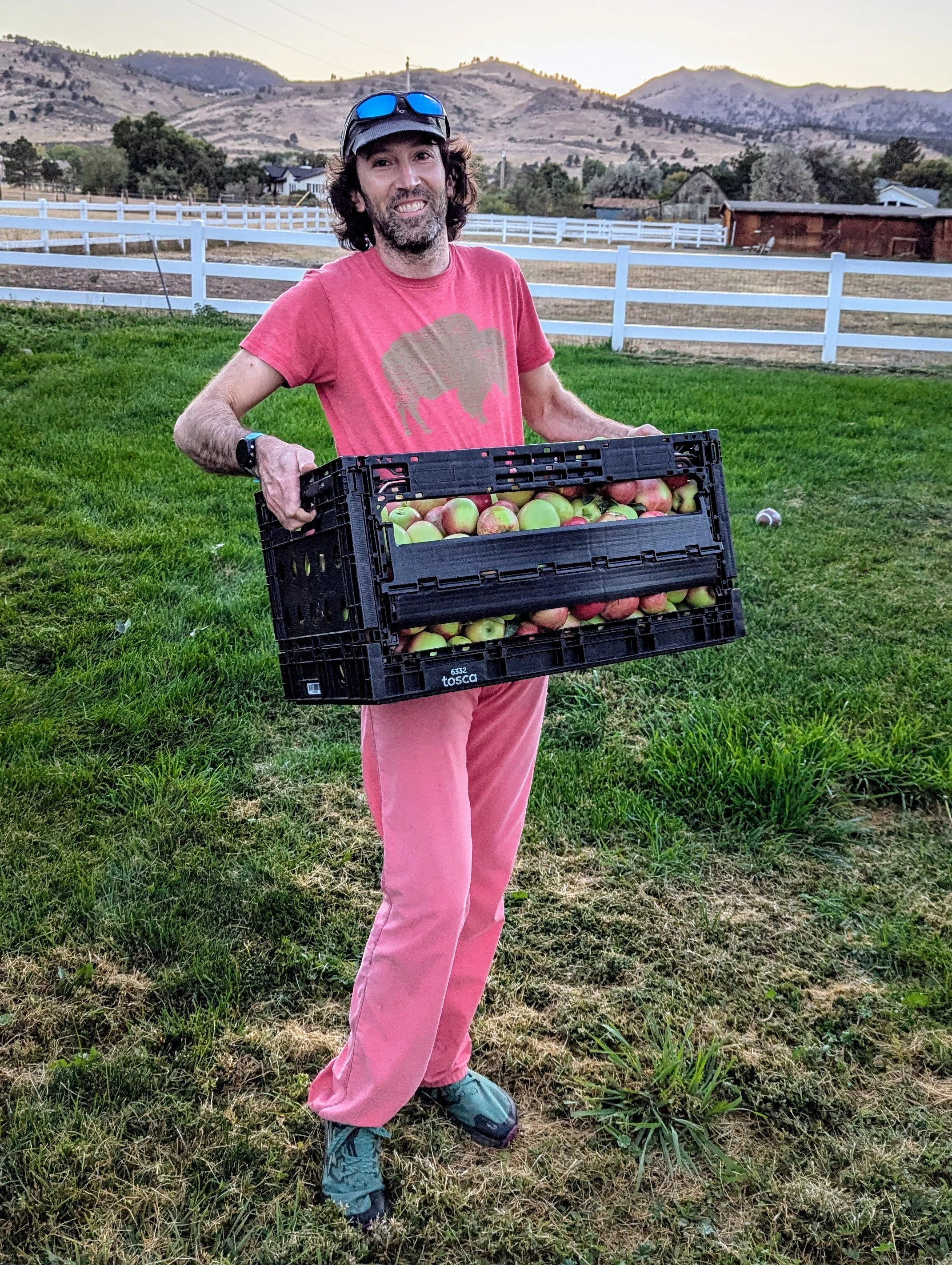
Harvest Leaders are volunteers who play a key role in making Community Fruit Rescue’s harvest program possible. During harvest season, leaders help coordinate volunteer crews at harvest sites, ensuring fruit is safely and efficiently picked and shared throughout the community.
As a Harvest Leader, you’ll work with volunteers and tree owners, help organize harvest logistics, and support a positive and welcoming experience for everyone involved. It’s a great opportunity to build leadership skills, spend time outdoors, and help ensure surplus fruit is put to good use rather than going to waste.
Harvest Leaders help turn local fruit abundance into community nourishment while supporting food access, reducing waste, and helping minimize wildlife attractants in urban areas.
Additionally, Harvest Leaders who lead at least 3 harvests during the 2026 season will receive a $30 expense reimbursement stipend for each harvest led.
Bears & Fruit
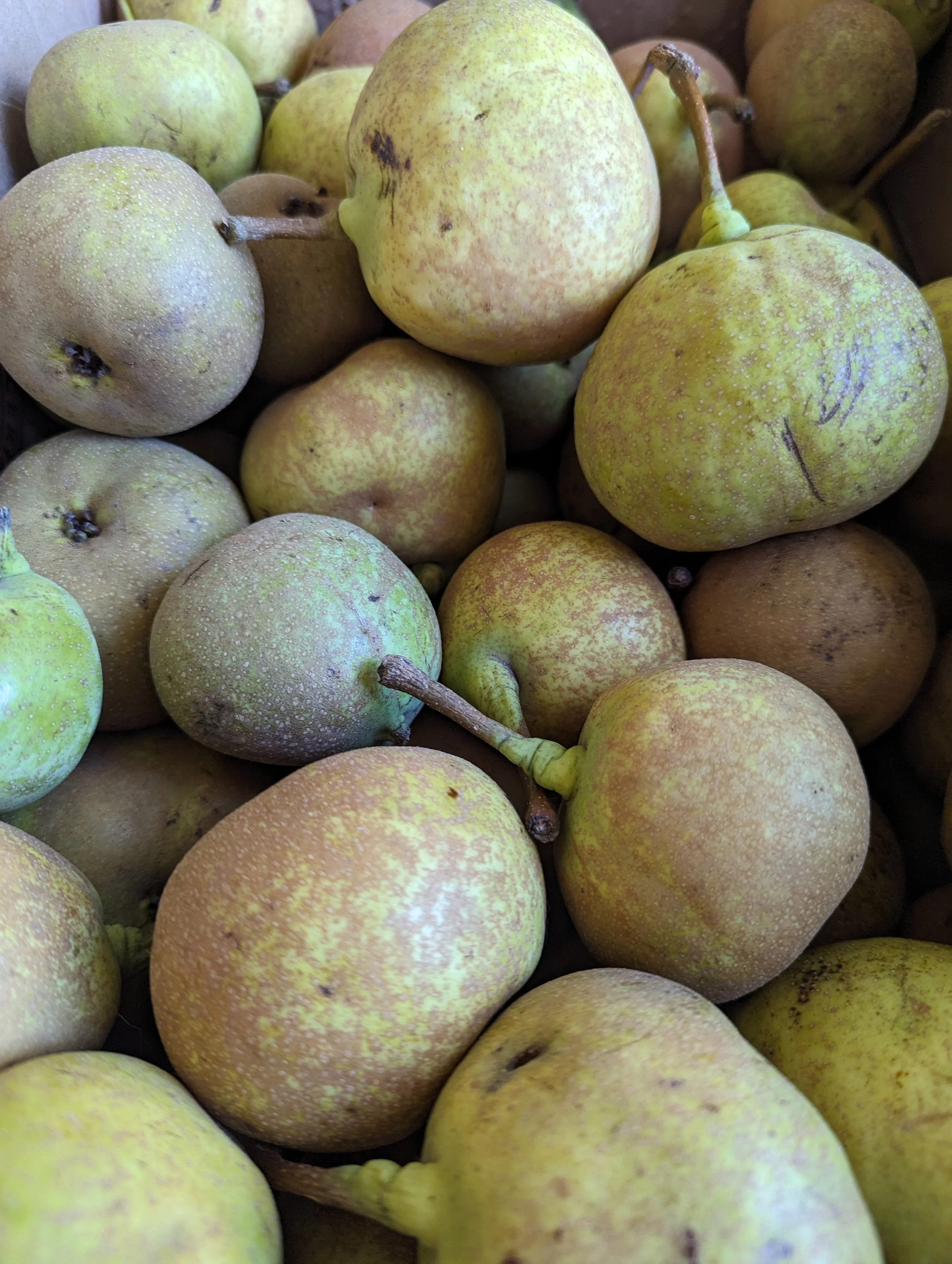
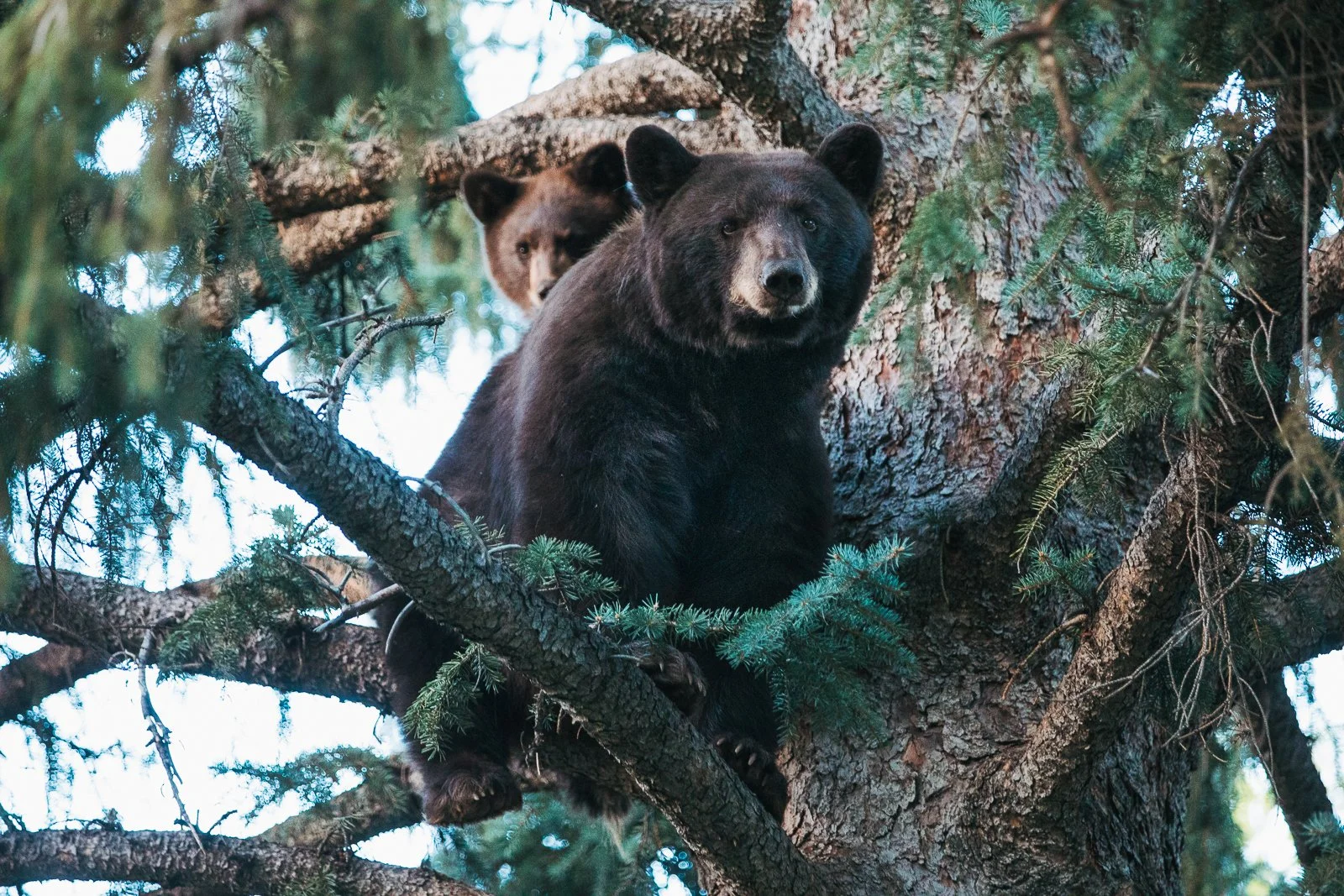
Fruit trees are a valuable community resource, but fallen and unharvested fruit can attract bears and other wildlife into neighborhoods. Because many of our communities sit so close to the foothills, bears will naturally pass through town — the goal is to prevent them from finding easy food sources that encourage them to stay. Bears that spend more time in urban areas have been proven to have higher mortality rates.
By harvesting fruit and cleaning up fallen fruit early, volunteers and tree stewards help reduce attractants that can draw bears into urban areas. Removing these easy food sources helps protect both wildlife and people, since bears that become too comfortable in town are more likely to encounter unsafe situations.
Through community harvests and good tree stewardship, we can help keep both people and bears safer while ensuring surplus urban fruit is put to good use feeding our community.